

Can a 180 degree Vehicle Camera Help Cover Up to 270 degree Around Your Vehicle?
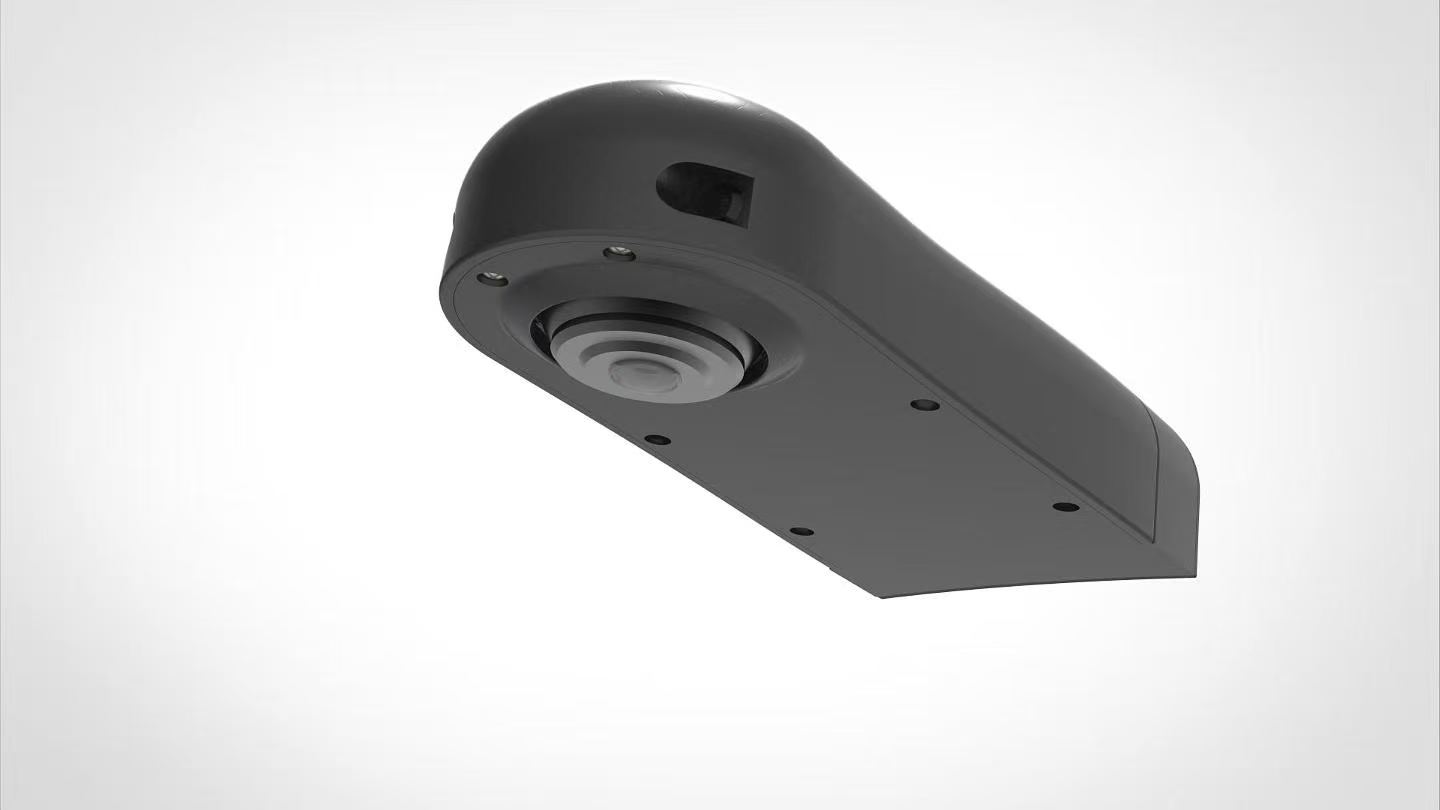
180° Wide-Angle Imaging Helps Reduce Blind Spots. For large vehicles, a conventional narrow-angle camera may not show enough of the surrounding area. Blind spots beside the vehicle and near its corners can make turning, reversing and low-speed maneuvering more difficult. Carleader’s Ultra 180 Degree Wide Angle Vehicle Camera with IP69K for Commercial Vehicles is designed to capture a much wider scene than a standard narrow-angle camera. Its 180° viewing angle helps drivers see more of the surrounding environment through a compatible vehicle monitor or video system. For fleet operators, vehicle camera distributors and safety system integrators, wide-angle coverage can be an important part of a broader visibility strategy.
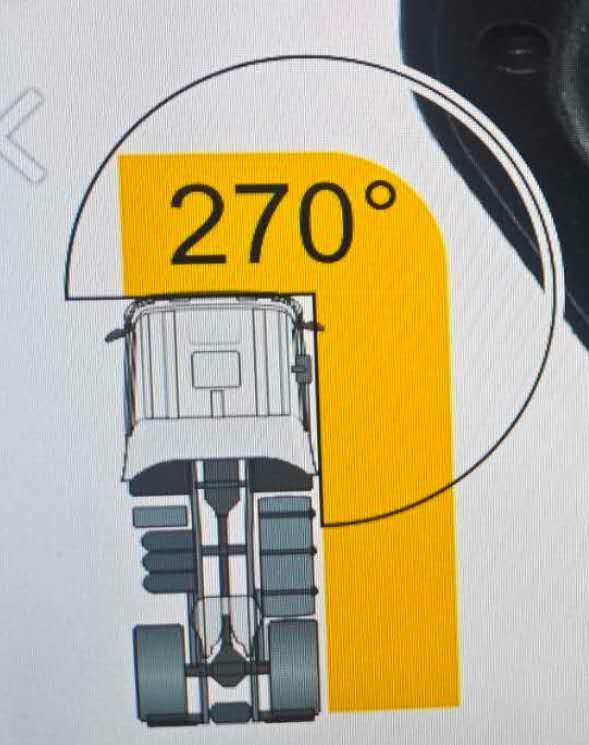
Up to 270° of Surrounding Visibility Through Camera Positioning
A major consideration in vehicle monitoring is not simply the angle of an individual camera, but how camera views work together around the vehicle. A 180° wide-angle camera can capture a broad field of view from its mounting position. With appropriate placement and complementary camera views, a vehicle monitoring setup can be planned to cover up to 270° of the surrounding area. This can help improve awareness around vehicle sides and corners where direct visibility is limited. The achievable coverage depends on the mounting position, vehicle structure, lens orientation and overlap between camera views. A single 180° camera should not be interpreted as providing a guaranteed 270° view in every installation. For project planning, buyers should confirm the required coverage area and camera arrangement with their installer.
IP69K Protection for Demanding Commercial Vehicle Use
Commercial vehicle cameras may be exposed to road spray, dust, rain and frequent vehicle washing. An IP69K-rated camera is designed for demanding conditions involving dust ingress and high-pressure, high-temperature water exposure under specified test conditions. This makes the camera a potential option for suitable exterior installations on trucks, buses, trailers and other commercial vehicles. Correct mounting, connector protection and cable routing remain important for ensuring that the complete installation meets the environmental requirements of the application.
Integration With Commercial Vehicle Monitoring Systems
Wide-angle cameras are most useful when their images can be viewed clearly through a compatible display or vehicle recording system. Depending on the project, buyers may integrate a wide-angle camera with a vehicle monitor or a compatible MDVR system to support live viewing and video recording. Before purchasing, system integrators should verify the camera’s video output, supported resolution, power supply and compatibility with the target monitor or recorder. These checks help ensure that the camera fits the existing vehicle monitoring architecture.
The Carleader Ultra 180 Degree Wide Angle Vehicle Camera is intended for commercial vehicle monitoring projects where broad visual coverage is important, including:
- Trucks and trailers: Wider views around vehicle sides and corners.
- Buses and coaches: Additional visibility for maneuvering and vehicle monitoring.
- Heavy-duty vehicles: Improved visual coverage in demanding working environments.
- Fleet safety systems: Integration with compatible displays and recording equipment.
- Vehicle camera installations: Wide-angle coverage as part of a multi-camera configuration.
What Buyers Should Confirm Before Ordering
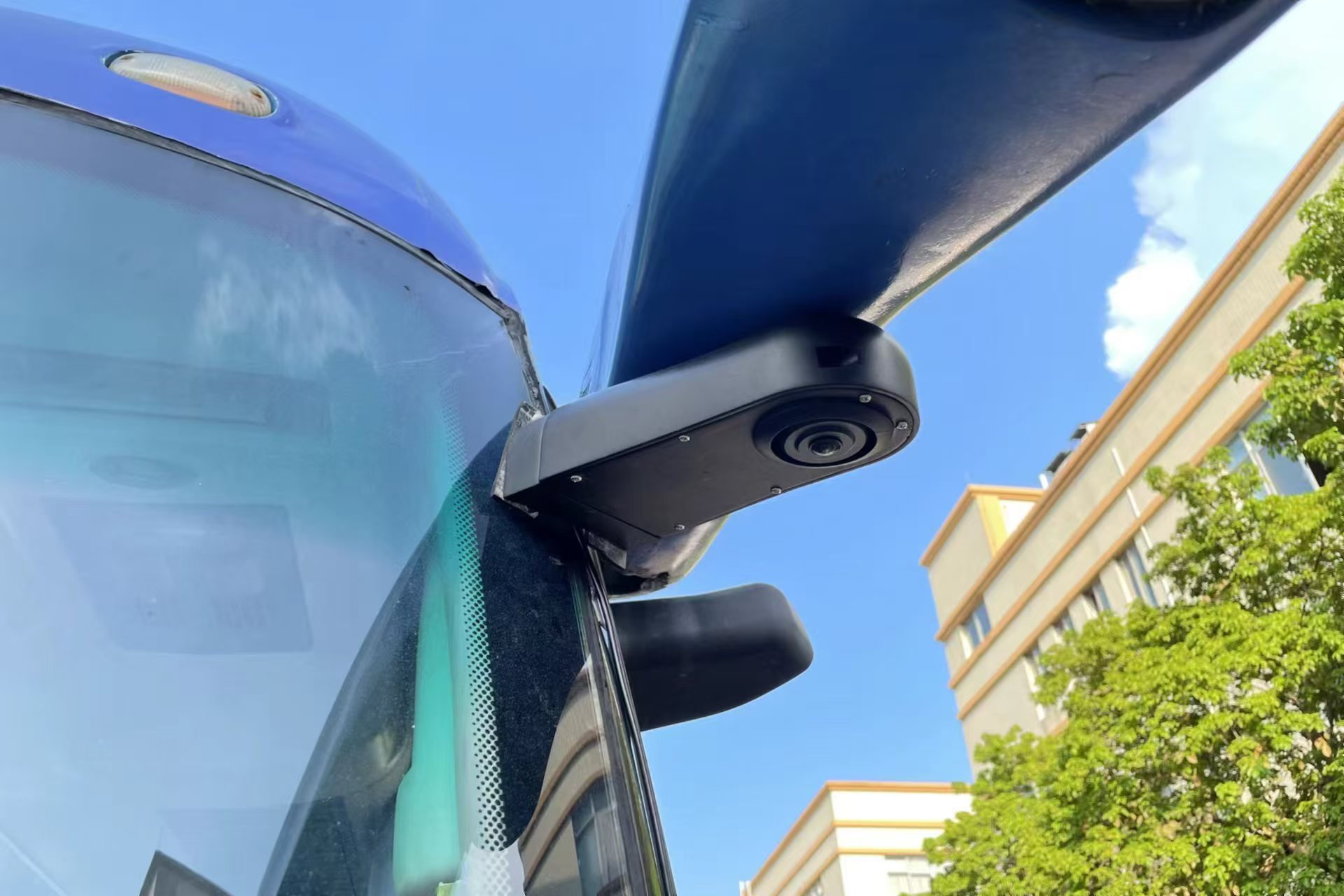
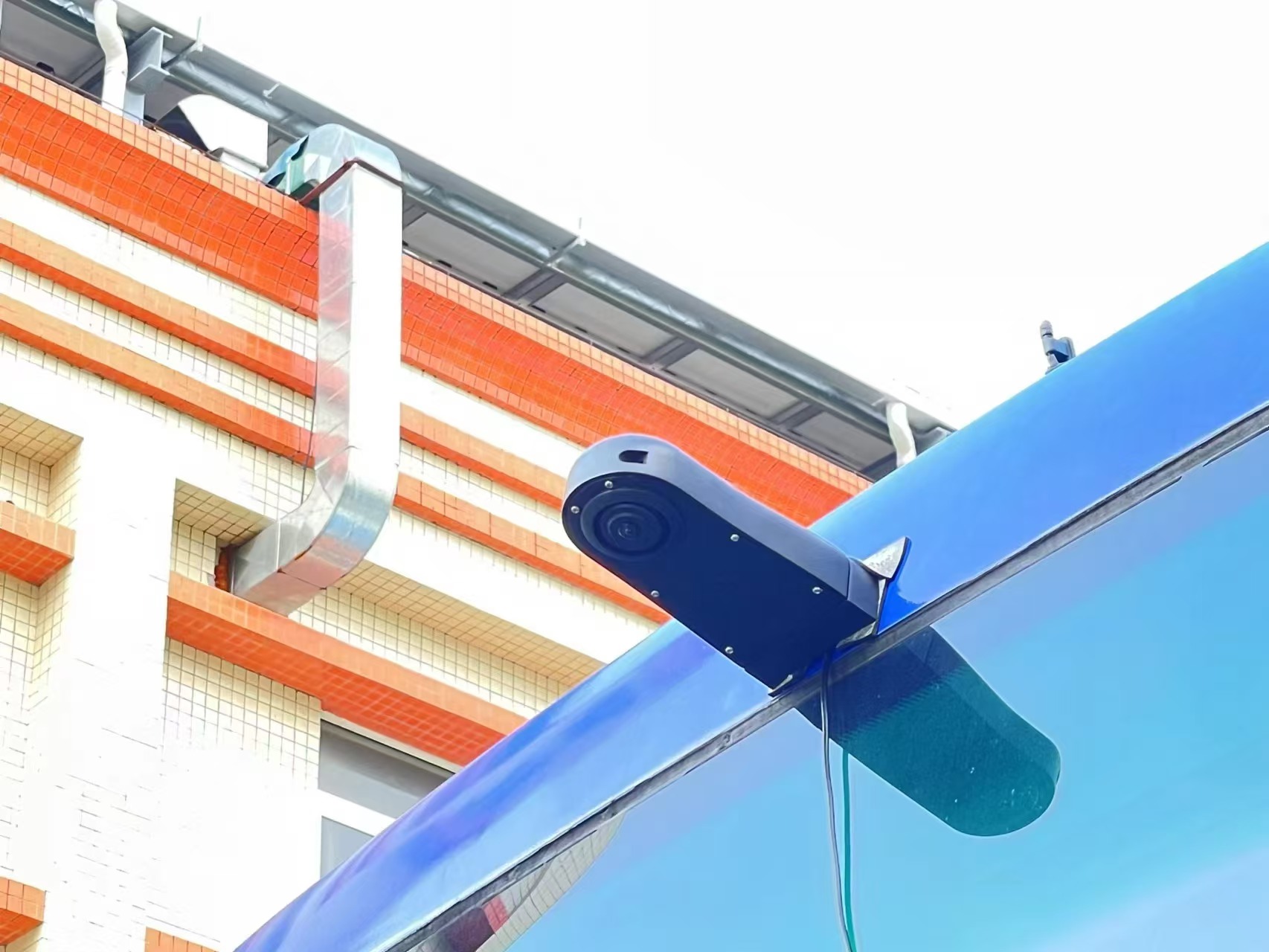
For B2B buyers, the right camera configuration depends on the vehicle and the intended coverage area. Before requesting a quotation, confirm the mounting position, required viewing direction, compatibility with the existing monitor or MDVR, power requirements and environmental conditions. If the project requires coverage approaching 270° around the vehicle, it is especially important to plan the camera layout rather than relying on the viewing angle of a single camera. A clear installation plan helps determine whether one camera is sufficient or whether additional camera views are needed.
The Ultra 180 Degree Wide Angle Vehicle Camera with IP69K for Commercial Vehicles is designed for buyers seeking broader visual coverage in commercial vehicle applications. Its 180° viewing angle can form part of a carefully planned camera arrangement that provides visibility across up to 270° of the vehicle’s surroundings, depending on installation and camera positioning. For fleet operators, distributors and vehicle safety system integrators, confirming the required coverage and system compatibility is the key to selecting the right solution.
Send Inquiry



X
We use cookies to offer you a better browsing experience, analyze site traffic and personalize content. By using this site, you agree to our use of cookies.
Privacy Policy