

Why Is a Wireless Monitor Becoming the Smartest Choice for Modern Vehicle Surveillance Systems
Wireless technology has transformed almost every aspect of modern transportation, and vehicle surveillance is no exception. Whether managing commercial fleets, construction equipment, agricultural machinery, buses, RVs, or delivery vehicles, businesses are increasingly adopting a Wireless Monitor system to improve safety, visibility, efficiency, and operational control.
Traditional wired monitoring systems often require complicated installations, extensive cabling, and higher maintenance costs. In contrast, a Wireless Monitor offers real-time video transmission, flexible deployment, and simplified maintenance while providing drivers with a clear view of blind spots and surrounding environments.
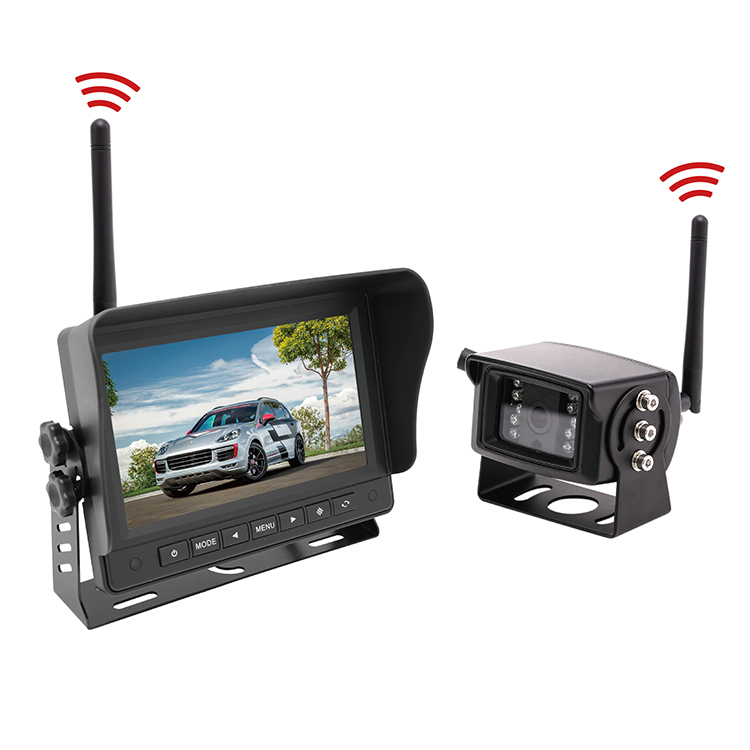
Table of Contents
- What Is a Wireless Monitor?
- How Does a Wireless Monitor Work?
- What Are the Major Benefits of a Wireless Monitor?
- Wireless Monitor vs Wired Monitor
- Key Features to Look For
- Industry Applications
- Installation Best Practices
- Why Choose Carleader?
- Future Trends of Wireless Monitoring Systems
- Frequently Asked Questions
What Is a Wireless Monitor?
A Wireless Monitor is a display device that receives video signals wirelessly from one or multiple cameras installed on a vehicle or mobile equipment. Instead of relying on lengthy cable connections, the monitor communicates with cameras through wireless transmission technology, typically operating in the 2.4GHz or 5.8GHz frequency bands.
The monitor displays live video feeds that help drivers monitor blind spots, rear views, side views, cargo areas, and other critical locations. Wireless monitor systems are widely used in:
- Commercial trucks
- School buses
- Construction machinery
- Agricultural vehicles
- Emergency vehicles
- Mining equipment
- Forklifts
- RVs and trailers
Because wireless systems eliminate complex cabling, they significantly reduce installation time and maintenance costs.
How Does a Wireless Monitor Work?
A Wireless Monitor system consists of three primary components:
- Wireless cameras
- Wireless transmitter/receiver module
- Display monitor
The cameras capture video footage and transmit it wirelessly to the monitor. The monitor receives the signal in real time and displays the video feed for the driver.
| Component | Function |
|---|---|
| Wireless Camera | Captures video images |
| Transmitter | Sends video signals wirelessly |
| Receiver | Receives transmitted signals |
| Wireless Monitor | Displays real-time footage |
Advanced systems can support multiple camera channels, allowing operators to monitor several viewpoints simultaneously.
What Are the Major Benefits of a Wireless Monitor?
The popularity of Wireless Monitor technology continues to grow because it offers several practical advantages.
1. Easy Installation
Traditional systems require routing cables through vehicle structures, which can be labor-intensive and expensive. Wireless systems eliminate most of these challenges.
2. Enhanced Driver Safety
Drivers gain immediate access to live visual information, reducing accidents caused by blind spots.
3. Flexible System Expansion
Additional cameras can often be integrated without major modifications to the vehicle.
4. Real-Time Monitoring
Modern Wireless Monitor systems provide low-latency video transmission, enabling quick driver responses.
5. Improved Fleet Efficiency
Fleet managers can improve operational visibility and reduce accident-related expenses.
Wireless Monitor vs Wired Monitor
| Feature | Wireless Monitor | Wired Monitor |
|---|---|---|
| Installation Time | Fast | Long |
| Cable Requirements | Minimal | Extensive |
| System Expansion | Easy | Complex |
| Vehicle Adaptability | Excellent | Moderate |
| Installation Flexibility | High | Limited |
For many modern commercial vehicles, a Wireless Monitor delivers superior flexibility and lower total ownership costs.
Key Features to Look For
When selecting a Wireless Monitor system, buyers should carefully evaluate several critical features.
Screen Size
- 7-inch monitors
- 9-inch monitors
- 10.1-inch monitors
Image Resolution
High resolution of 1024 x 600 improves object recognition and overall safety.
Multi-Channel Support
A professional Wireless Monitor should support 1 to 4 cameras simultaneously.
Night Vision Compatibility
The monitor should work seamlessly with infrared cameras for nighttime operation.
Signal Stability
Reliable wireless transmission is essential in challenging environments.
Waterproof Durability
Industrial-grade systems should withstand harsh weather and working conditions (Often means camera, monitor with waterproof and non-waterproof for option).
Industry Applications
Wireless Monitor systems are now deployed across a wide range of industries.
Commercial Transportation
Truck operators use wireless monitoring to reduce blind spots and improve road safety.
Construction Industry
Heavy equipment operators benefit from better visibility around machinery.
Agriculture
Farmers use Wireless Monitor solutions to monitor implements and improve operational accuracy.
Public Transportation
Bus operators can monitor passenger areas and vehicle surroundings.
Emergency Services
Police, ambulance, and fire departments use wireless systems to improve situational awareness.
| Industry | Primary Benefit |
|---|---|
| Logistics | Blind-spot eliminate |
| Construction | Equipment safety |
| Agriculture | Operational visibility |
| Public Transit | Passenger monitoring |
| Emergency Services | Situational awareness |
Installation Best Practices
To maximize system performance, follow these installation recommendations:
- Mount cameras in unobstructed positions.
- Avoid placing antennas near large metal surfaces.
- Perform signal testing before final installation.
- Use weatherproof mounting accessories.
- Verify monitor visibility from the driver's position.
- Regularly inspect system components.
Proper installation ensures reliable video transmission and optimal safety performance.
Why Choose Carleader Wireless Monitor Solutions?
Carleader has established itself as a professional manufacturer specializing in vehicle surveillance technologies. Its Wireless Monitor solutions are designed specifically for demanding commercial and industrial environments.
Advantages of Carleader systems include:
- Stable wireless transmission technology
- High-definition image quality
- Multiple camera support
- Industrial-grade durability
- User-friendly operation
- Comprehensive product customization options
- Global market experience
For fleet operators seeking dependable monitoring performance, Carleader provides reliable solutions tailored to various vehicle applications.
Future Trends of Wireless Monitoring Systems
The future of Wireless Monitor technology continues to evolve rapidly.
AI Integration
Artificial intelligence will enhance object detection, collision warnings, and driver assistance functions.
Cloud Connectivity
Remote monitoring and fleet management platforms will become increasingly integrated.
Higher Resolution Imaging
4K and ultra-HD monitoring solutions will improve visibility and evidence quality.
Smart Analytics
Advanced analytics will provide predictive safety insights and operational recommendations.
5G Communication
The adoption of 5G technology will enable faster and more reliable video transmission.
These innovations will further strengthen the role of Wireless Monitor systems in modern transportation and industrial safety management.
Frequently Asked Questions
What is a Wireless Monitor used for?
A Wireless Monitor is used to display live video from wireless cameras installed on vehicles or equipment, improving visibility and safety.
Can a Wireless Monitor support multiple cameras?
Yes. Most professional systems support two, four, or even more camera channels simultaneously.
Is a Wireless Monitor reliable in harsh environments?
Industrial-grade systems are designed to operate in demanding environments including construction sites, farms, and commercial transportation fleets.
Does a Wireless Monitor experience signal delays?
Modern digital wireless technologies provide extremely low latency, making real-time monitoring practical and effective.
How far can wireless cameras transmit video?
Transmission distance depends on the specific system design, antenna configuration, and environmental conditions. Many commercial systems can provide stable communication over significant distances.
Why are Wireless Monitor systems becoming more popular?
They reduce installation complexity, lower maintenance costs, improve safety, and provide flexible deployment options across multiple industries.
Conclusion
As vehicle safety requirements continue to increase, the demand for reliable Wireless Monitor solutions is growing rapidly across transportation, construction, agriculture, logistics, and public service sectors. By eliminating complex wiring, improving visibility, and enhancing operational efficiency, a Wireless Monitor has become an essential investment for modern fleet management and equipment operation.
If you are looking for a professional-grade Wireless Monitor solution that combines stable wireless transmission, high-definition imaging, and industrial durability, Carleader can help. Our experienced team is ready to recommend the most suitable monitoring system for your specific vehicle or equipment application. Contact us today to discuss your project requirements, request product information, or receive a customized solution designed to improve safety, efficiency, and performance.
Send Inquiry



X
We use cookies to offer you a better browsing experience, analyze site traffic and personalize content. By using this site, you agree to our use of cookies.
Privacy Policy