

One Camera, Multiple Positions: Carleader Develops Flexible Camera Solution for Commercial Vehicles
Commercial Vehicle Camera Systems Are Moving Toward More Flexible Configurations. A truck does not have the same visibility requirements as a delivery van. A bus does not have the same body structure as a trailer. Even two vehicles in the same fleet may require cameras to be installed in different positions. This is creating a practical challenge for vehicle camera installers and fleet solution providers: how can camera equipment adapt to different vehicle layouts without requiring a completely different camera design for every installation? Instead of designing a camera exclusively for one position, Carleader has developed a more flexible approach with its new CL-927 Multi-Position Vehicle Camera. The camera can be used for front view, side view or rear view monitoring, allowing one camera design to cover different positions within a commercial vehicle camera system.
One Camera for Front, Side and Rear Applications
The most distinctive feature of the CL-927 is its ability to serve different viewing positions. A conventional Vehicle Camera may be designed specifically as a rear camera, side camera or front camera. The CL-927 takes a different approach by allowing installers to configure the same camera platform for front, side or rear monitoring. This can be useful for distributors and system integrators working with different commercial vehicle projects. For example, one project may require a side camera for a truck, while another may require a rear camera for a trailer. Instead of selecting completely different camera platforms, installers can consider a multi-position camera design. The result is a more flexible approach to building Truck Camera Systems, Commercial Vehicle Camera Systems and Fleet Camera Systems.
90° Adjustment Gives Installers More Freedom
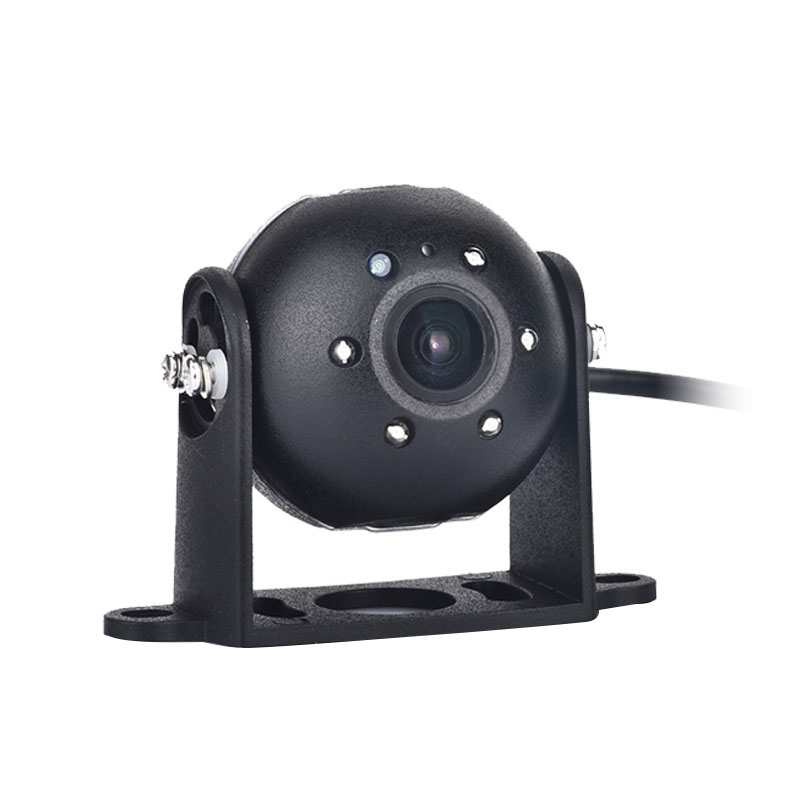
Camera positioning can be just as important as camera specifications. A camera may have a wide viewing angle, but if its mounting position is restricted, installers may still need to redesign the bracket or change the camera position to achieve the required image. The CL-927 addresses this issue with 90° horizontal and vertical rotation. This allows the camera direction to be adjusted according to the actual mounting position on the vehicle. For trucks, buses, vans and trailers with different body structures, this adjustment can simplify the process of positioning the camera. It also gives fleet installers more freedom when designing Front View Camera, Side View Camera and Rear View Camera configurations.
Wide-Angle Coverage for Larger Vehicle Areas
Commercial vehicles often require broader image coverage than passenger cars because of their size and operating environment.
The CL-927 uses a 2.0mm lens, with a 130° standard viewing angle and 150° optional viewing angle. The wider configuration can be selected for projects where greater coverage is required.
This makes the camera relevant to several common applications:
- Truck side monitoring
- Vehicle blind spot monitoring
- Rear-area monitoring
- Front-view monitoring
- Trailer monitoring
- Fleet vehicle surveillance
- Loading and maneuvering
- Multi-camera commercial vehicle systems
Rather than focusing on one specific camera position, the wide-angle design supports different vehicle monitoring layouts.
Why Fleet Operators May Prefer a Multi-Position Camera
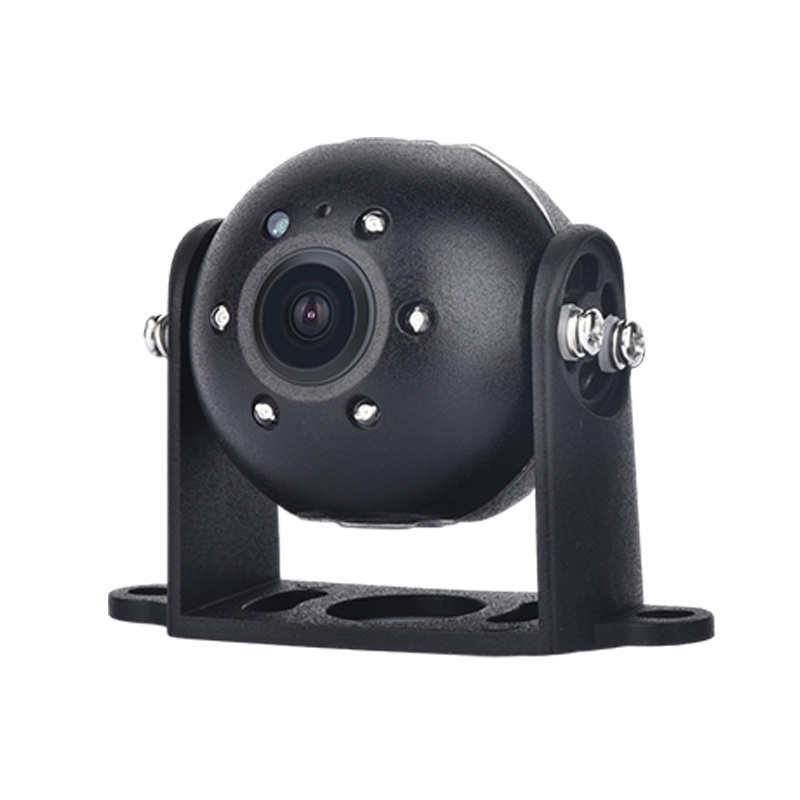
Fleet operators often manage multiple vehicle types at the same time. A logistics company may operate trucks and trailers. A delivery company may have vans of different sizes. A passenger transportation operator may manage buses and coaches. When every vehicle requires a different camera model, procurement, installation and replacement can become more complicated. A Multi-Position Vehicle Camera provides another way to approach this problem. With the CL-927, the same basic camera platform can be considered for front, side and rear applications. This does not mean every vehicle requires the same configuration; instead, it gives system integrators another flexible hardware option when designing different fleet camera layouts.
From Individual Cameras to Complete Fleet Monitoring Systems
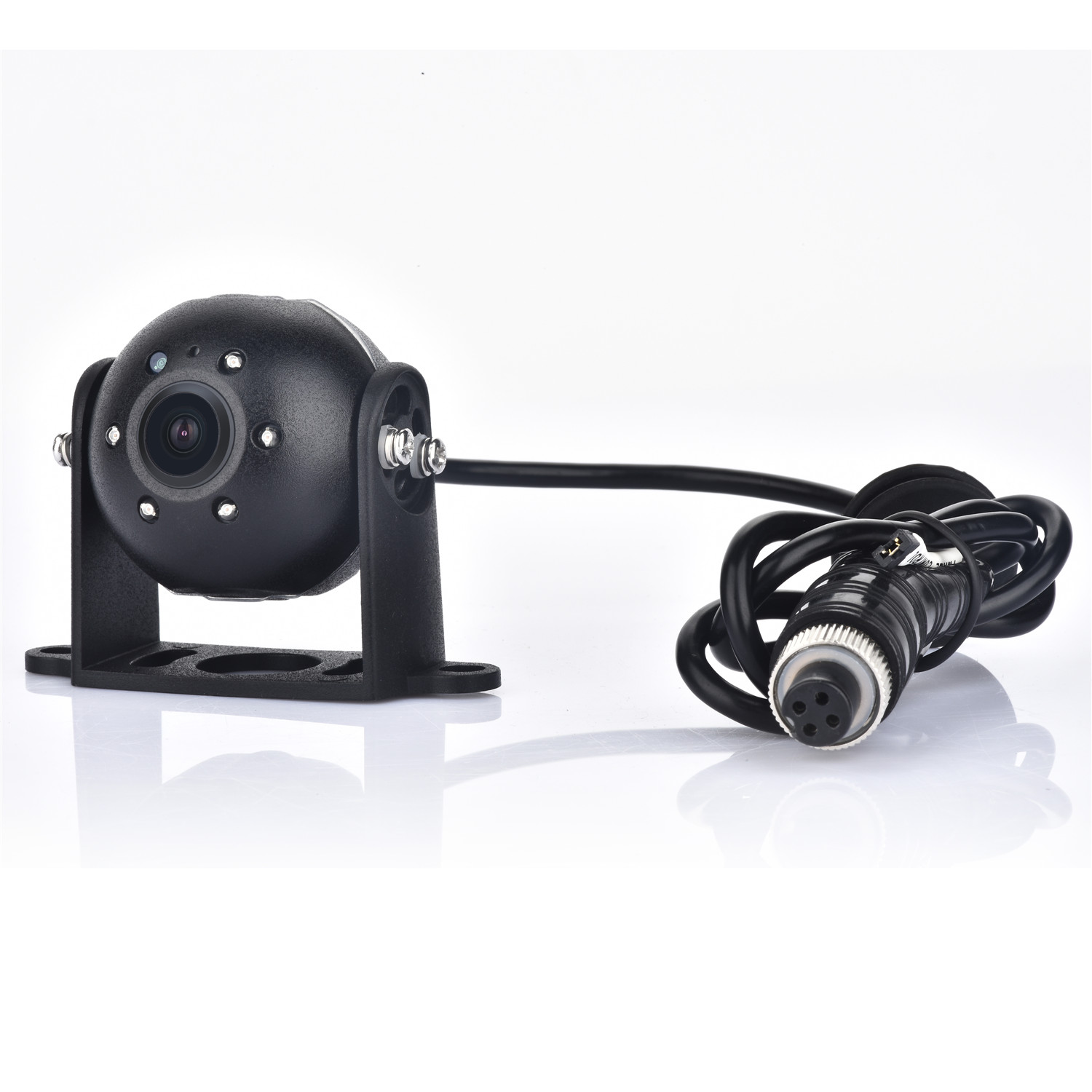
The role of a vehicle camera is increasingly connected to the larger monitoring system. A commercial vehicle may use: Front Camera + Side Camera + Rear Camera + Vehicle Monitor + DVR/MDVR. Different camera positions provide different information, while the monitor and recording equipment bring these video channels together. The CL-927 supports CVBS, AHD720P and AHD1080P video formats, allowing it to connect with compatible vehicle monitors, DVRs, MDVRs and multi-camera systems. For system integrators, this makes the camera suitable for both individual vehicle projects and larger Fleet Monitoring Systems.
AHD1080P Supports the Move Toward Higher-Resolution Vehicle Video
As vehicle monitoring systems develop, higher-resolution video has become an important consideration for many commercial vehicle projects. The CL-927 supports AHD1080P, as well as AHD720P and CVBS options. This provides flexibility when matching the camera with different generations of vehicle monitoring equipment. For a new fleet camera installation, the AHD1080P configuration can be selected when HD video is required. For existing systems, other video options provide additional compatibility. This makes the camera suitable for companies upgrading existing Truck Camera Systems as well as those developing new AHD Vehicle Camera Systems.
What Makes the CL-927 Different?
Instead of competing only through resolution or viewing angle, the CL-927 focuses on configuration flexibility. Its main design concept can be summarized as: One Camera → Multiple Positions → Adjustable Direction → Multiple Viewing Angles → Multiple Video Formats. This makes it a useful option for companies that need to build different Vehicle Monitoring Systems for different commercial vehicle types while keeping the camera platform relatively consistent.
Send Inquiry



X
We use cookies to offer you a better browsing experience, analyze site traffic and personalize content. By using this site, you agree to our use of cookies.
Privacy Policy